Conservation Actions
Gharial conservation needs identified through ecological and genomic studies are implemented in an inclusive framework with partners from local communities and Forest Departments.
Fast-track Head-starting
Overview
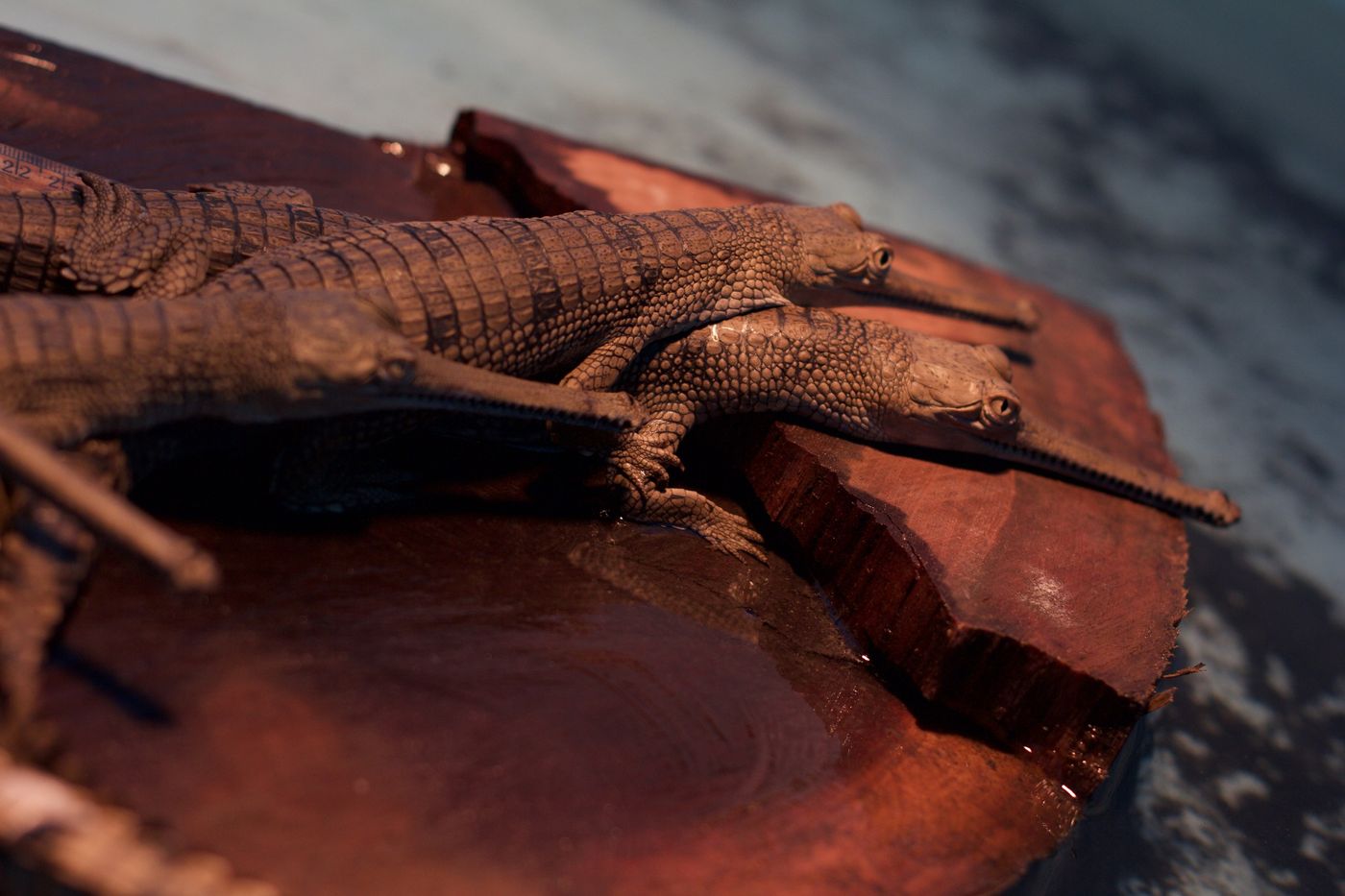
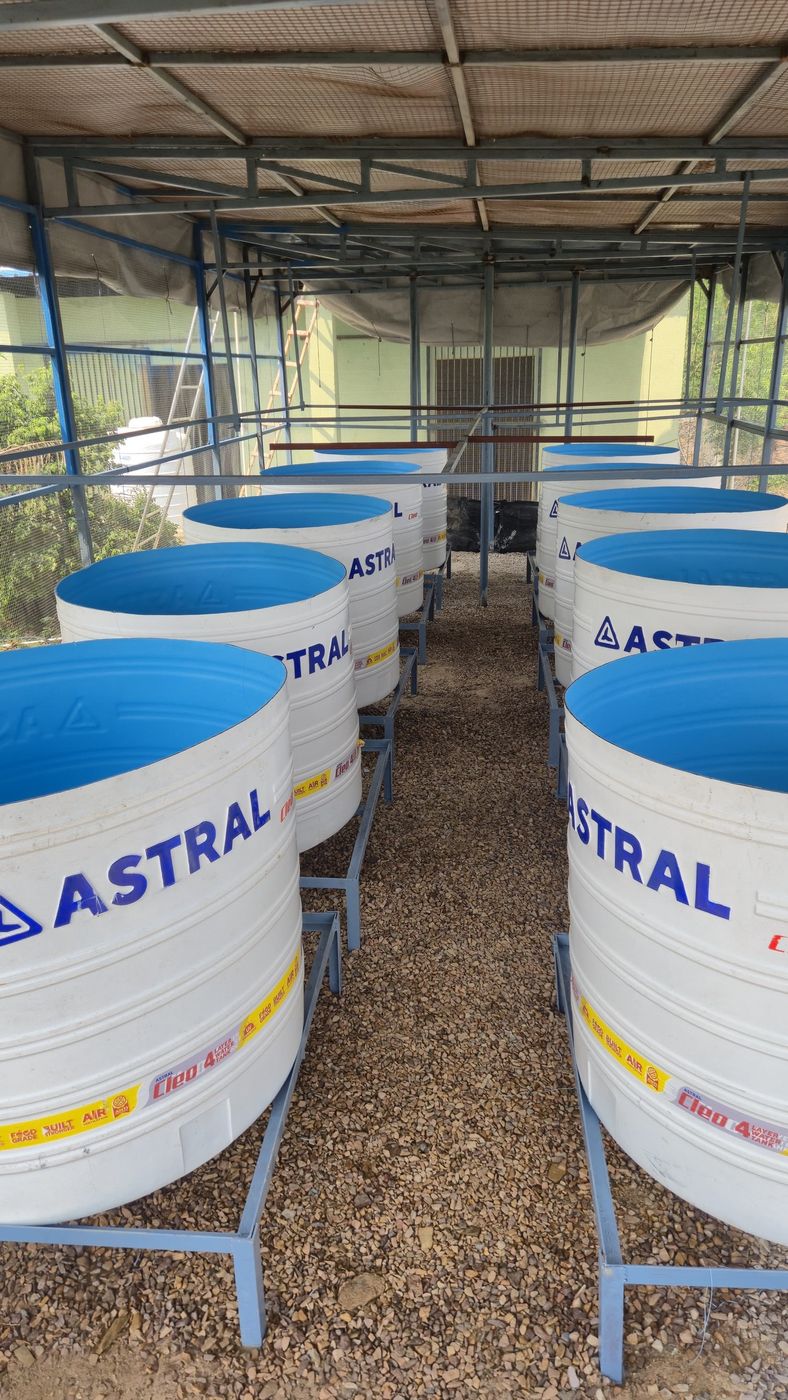
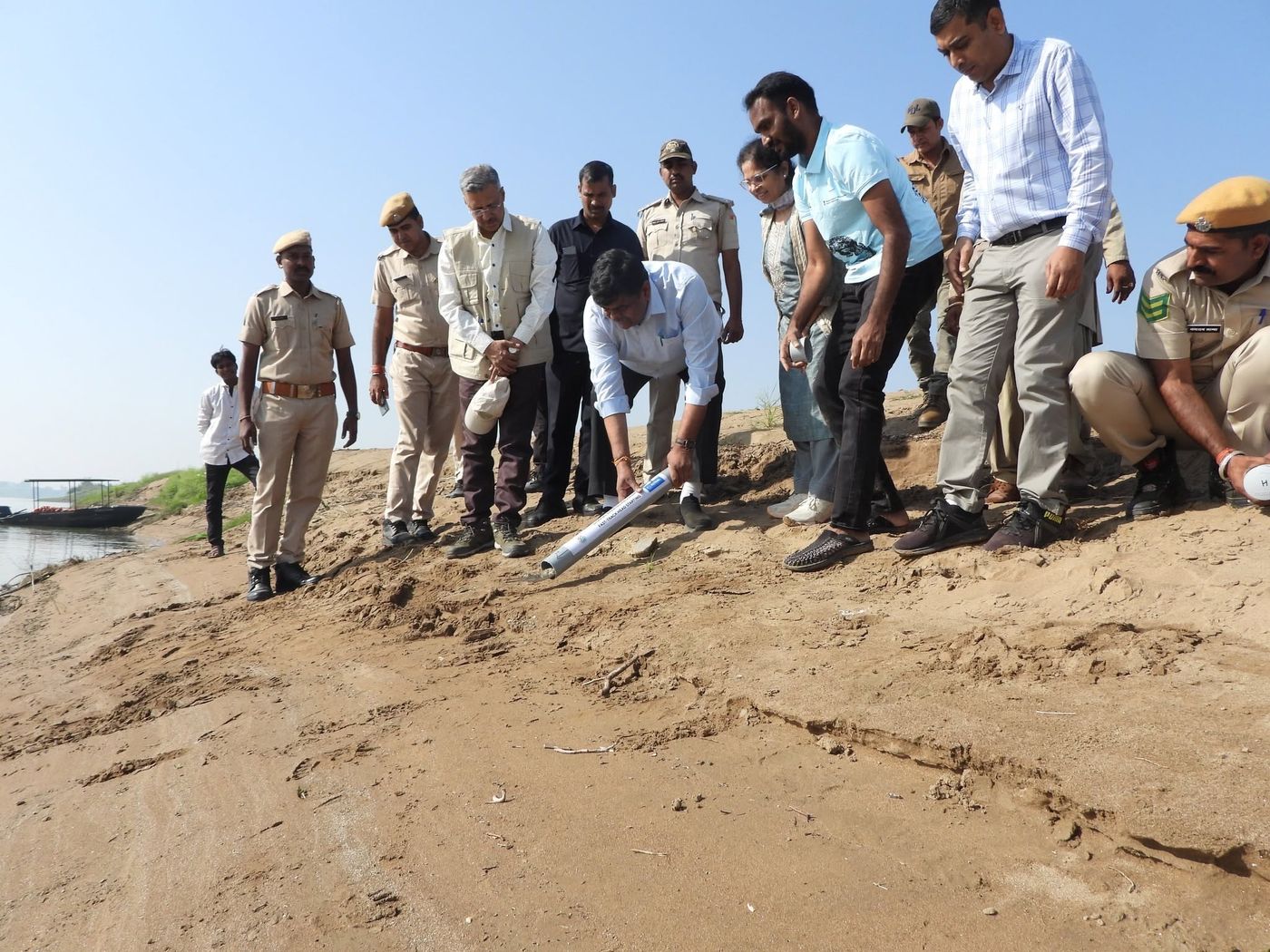
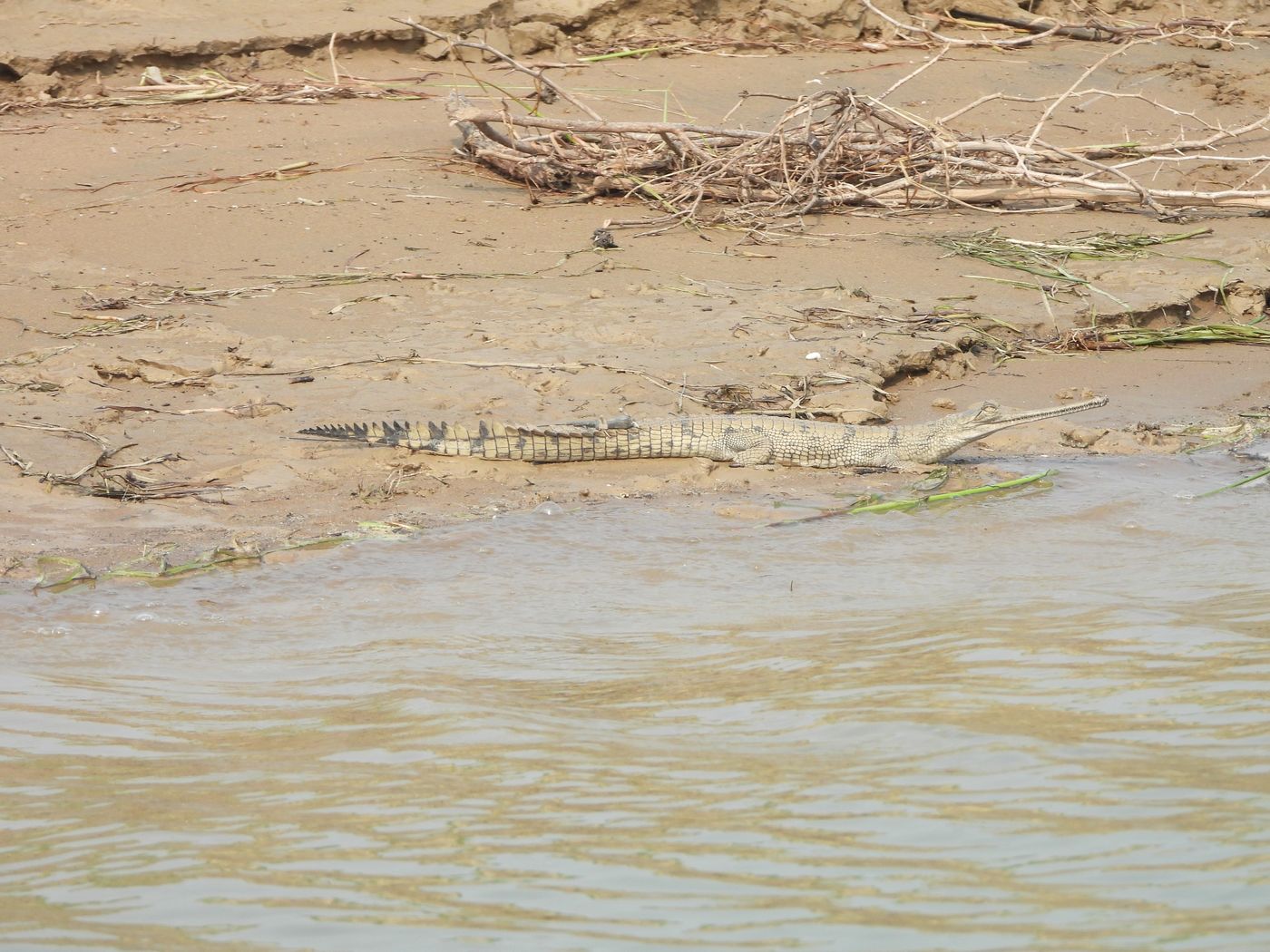
Younger, smaller gharials are less abundant in the upper Chambal River, likely due to mortality from fishing by-catch. Our low-cost Fast-track Head-starting (FTHS) initiative is carried out in partnership with the Rajasthan Forest Department. We rear and release 4–6-month-old gharials that are the same size and behave the same as their wild counterparts. Fine-scale post-release monitoring then provides movement and survival data for captive-reared individuals.
What these actions seek to achieve
- Best practices for captive rearing that are grounded in life-history observations of wild gharials
- Maintain 100% survival prior to release, and mimic wild gharial growth and behaviour
- Post-release movement and survival data help evaluate and adapt rearing and release strategies
River Watch
Overview
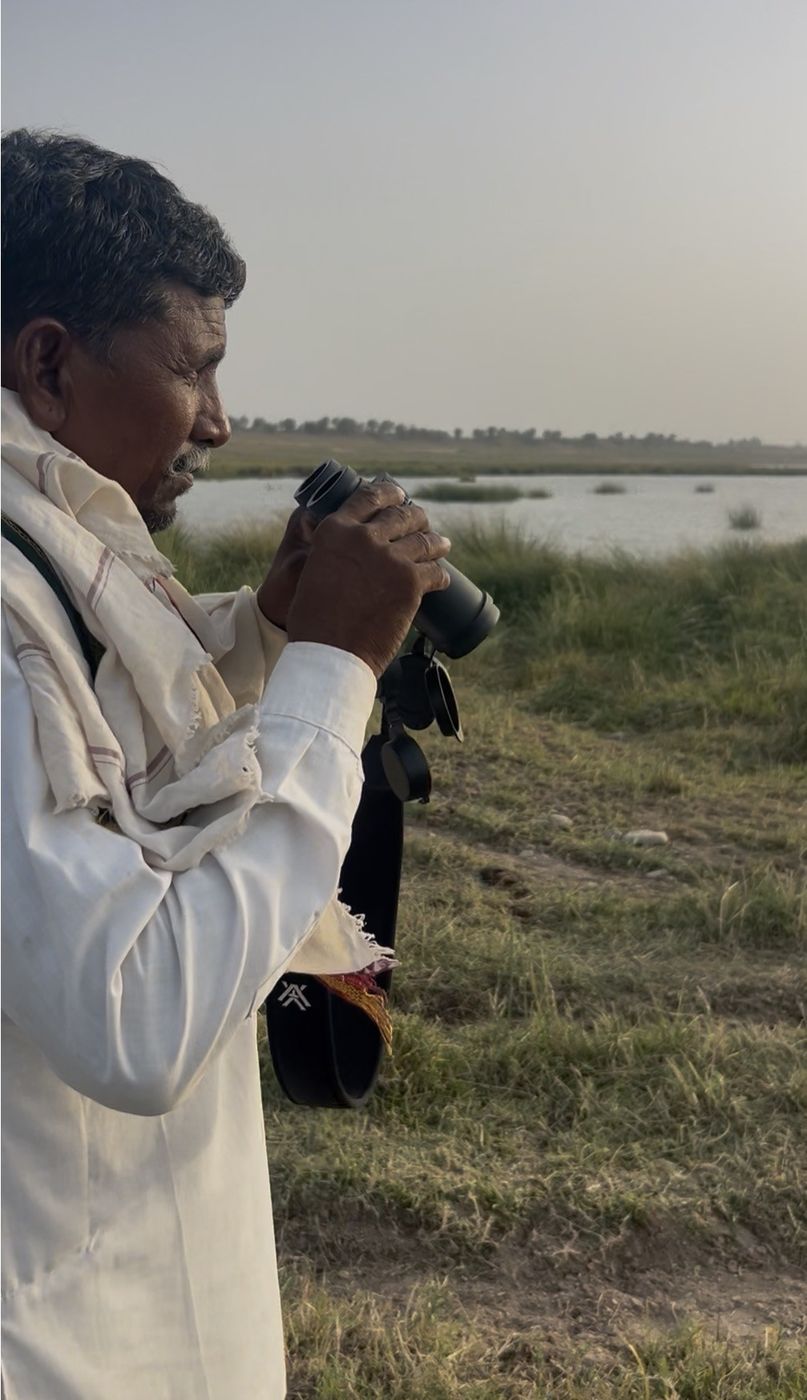
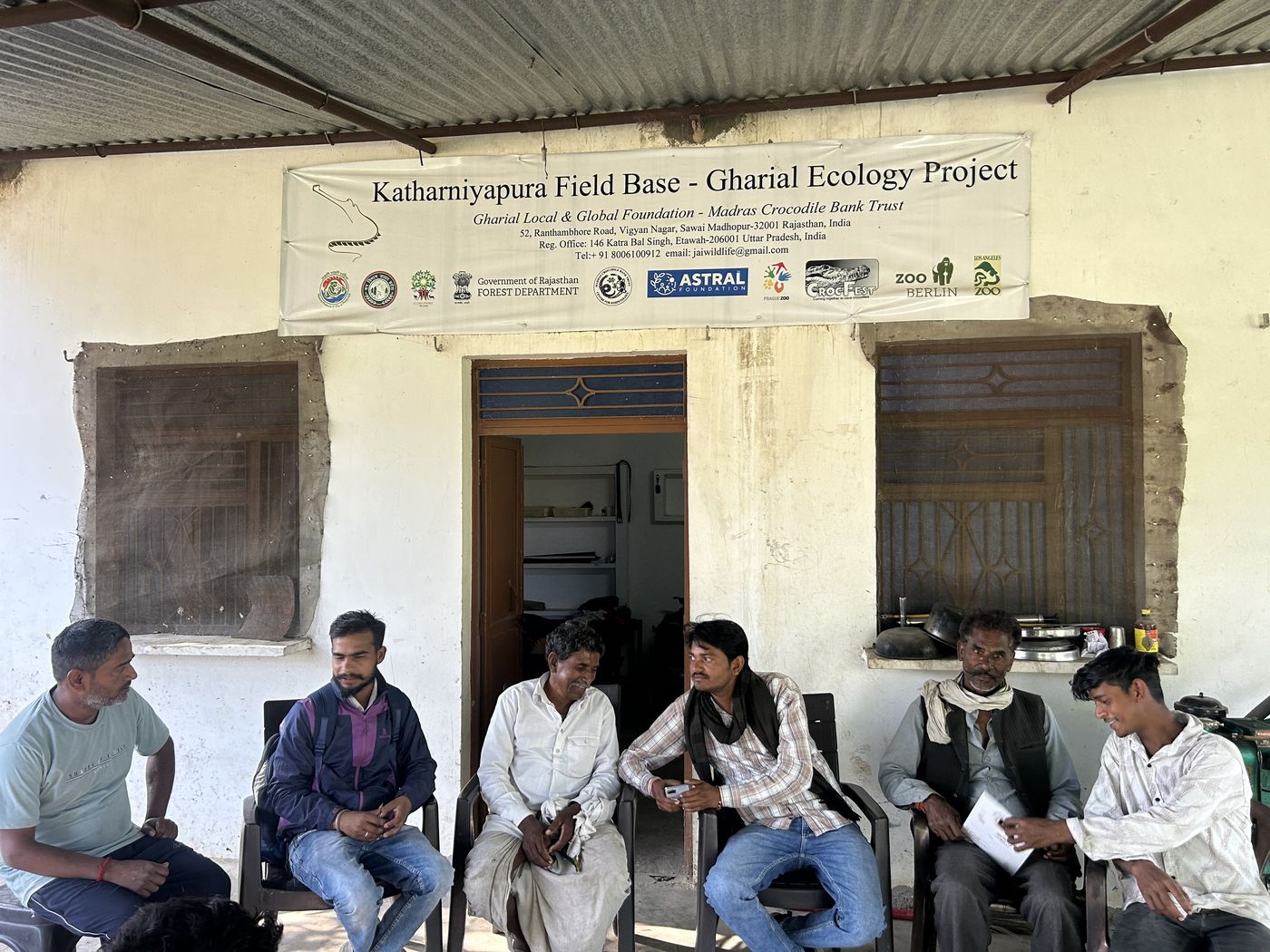
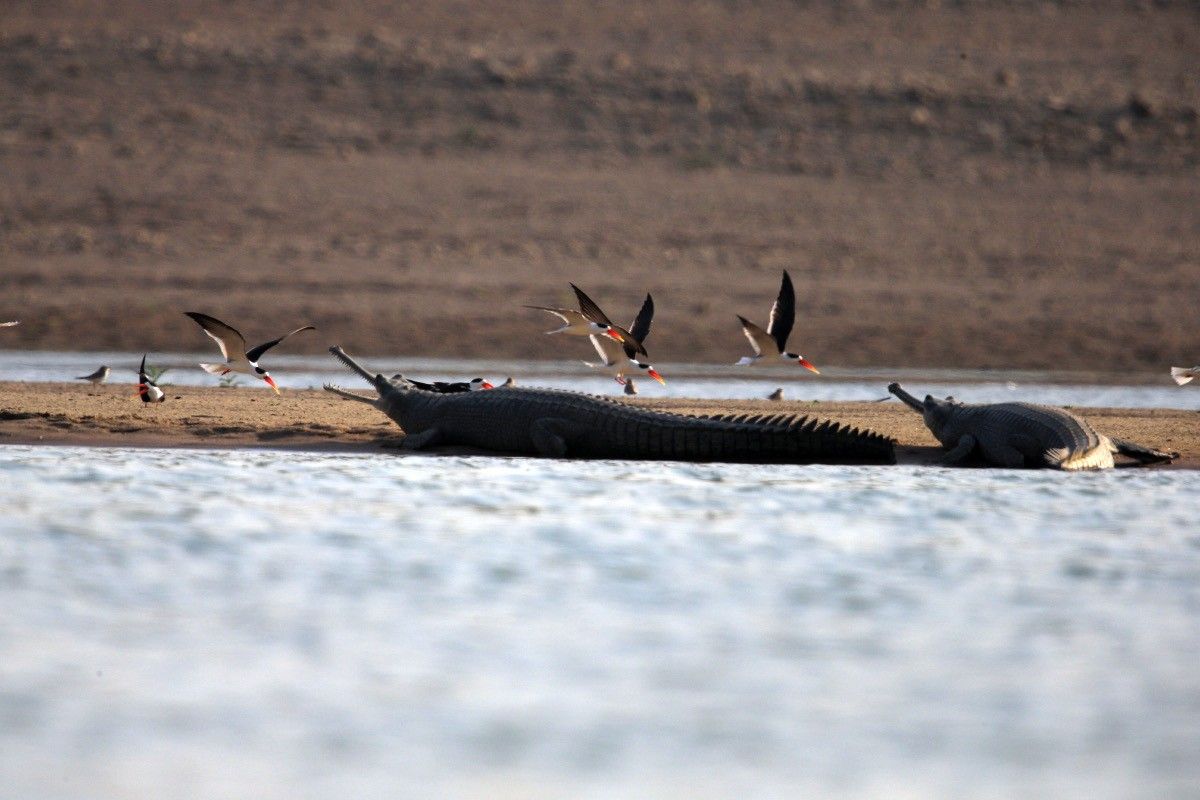
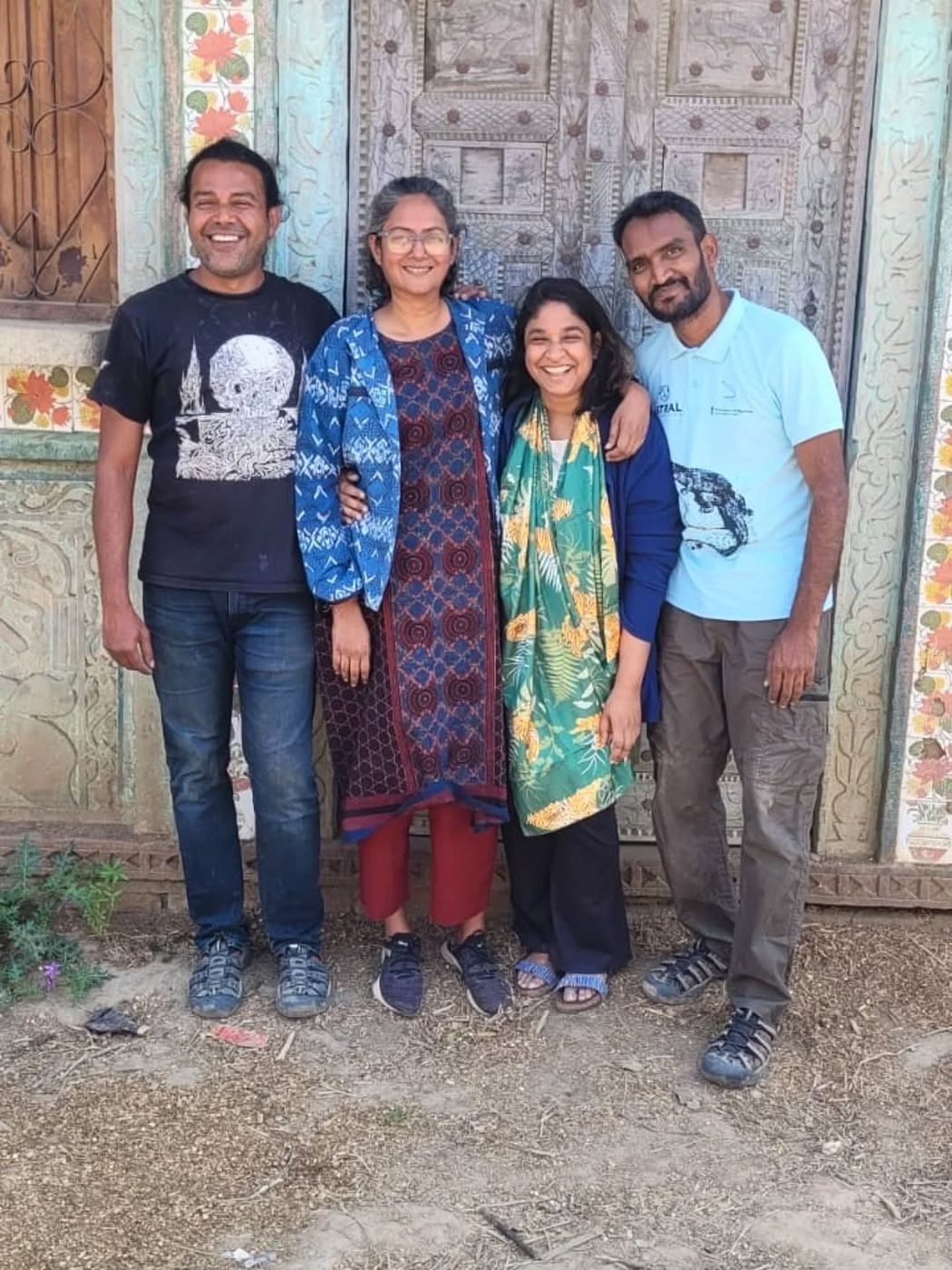
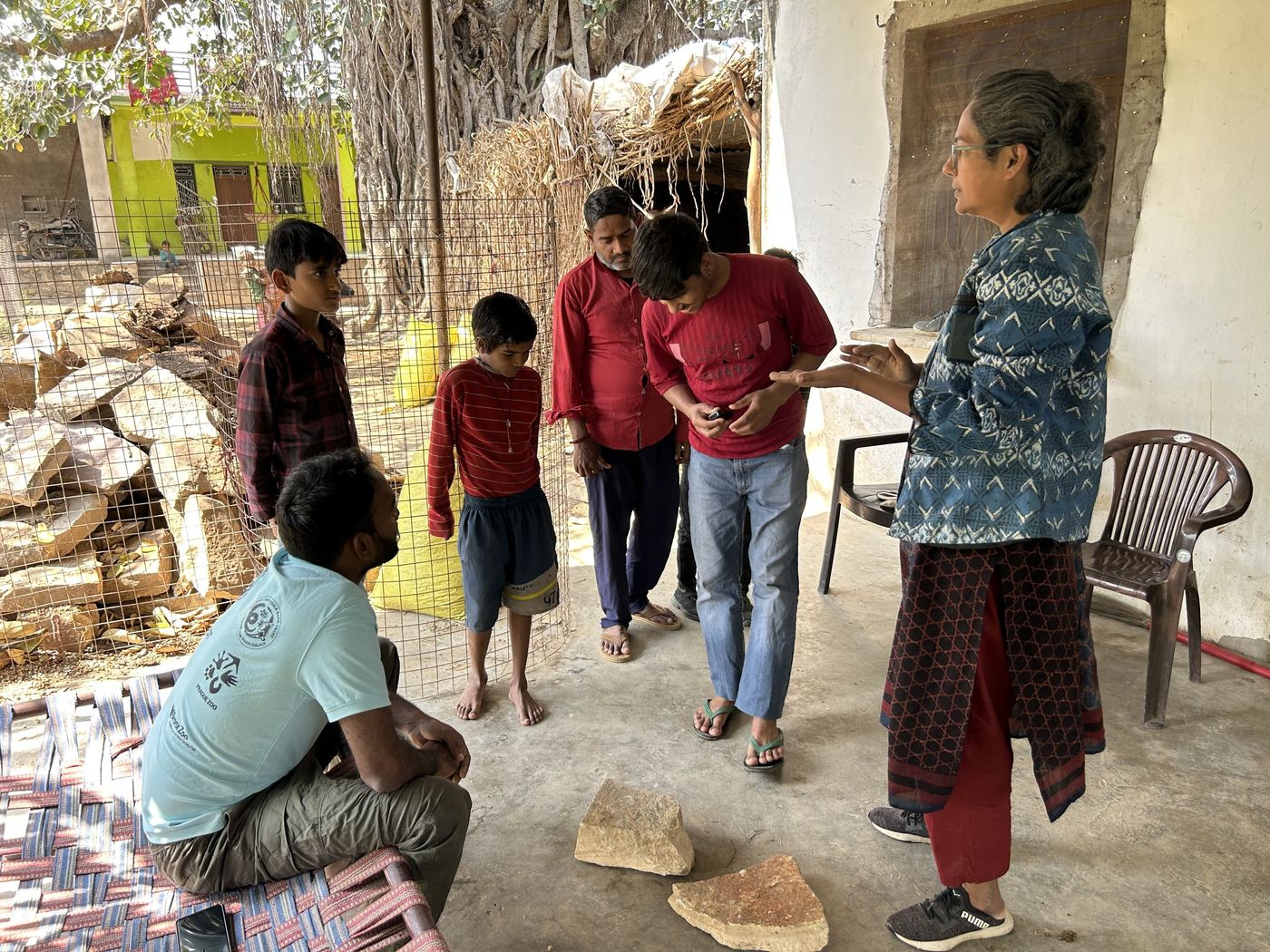
Through this initiative, we seek to protect a ~14 km stretch of the upper Chambal that contains critical nesting habitat. We do this in partnership with local community members who are employed as ‘River Watchers’. These local stewards engage with sand miners to protect wild gharial nests and nesting habitat, and deploy biological approaches to promote sand deposition and control erosion.
What these actions seek to achieve
- Increase engagement with key partners in local communities
- Protect habitat that sustains about a quarter of all wild gharial nesting in the Chambal
- Restore degraded habitat to enhance available habitat for nesting
Regenerative Agriculture
Overview
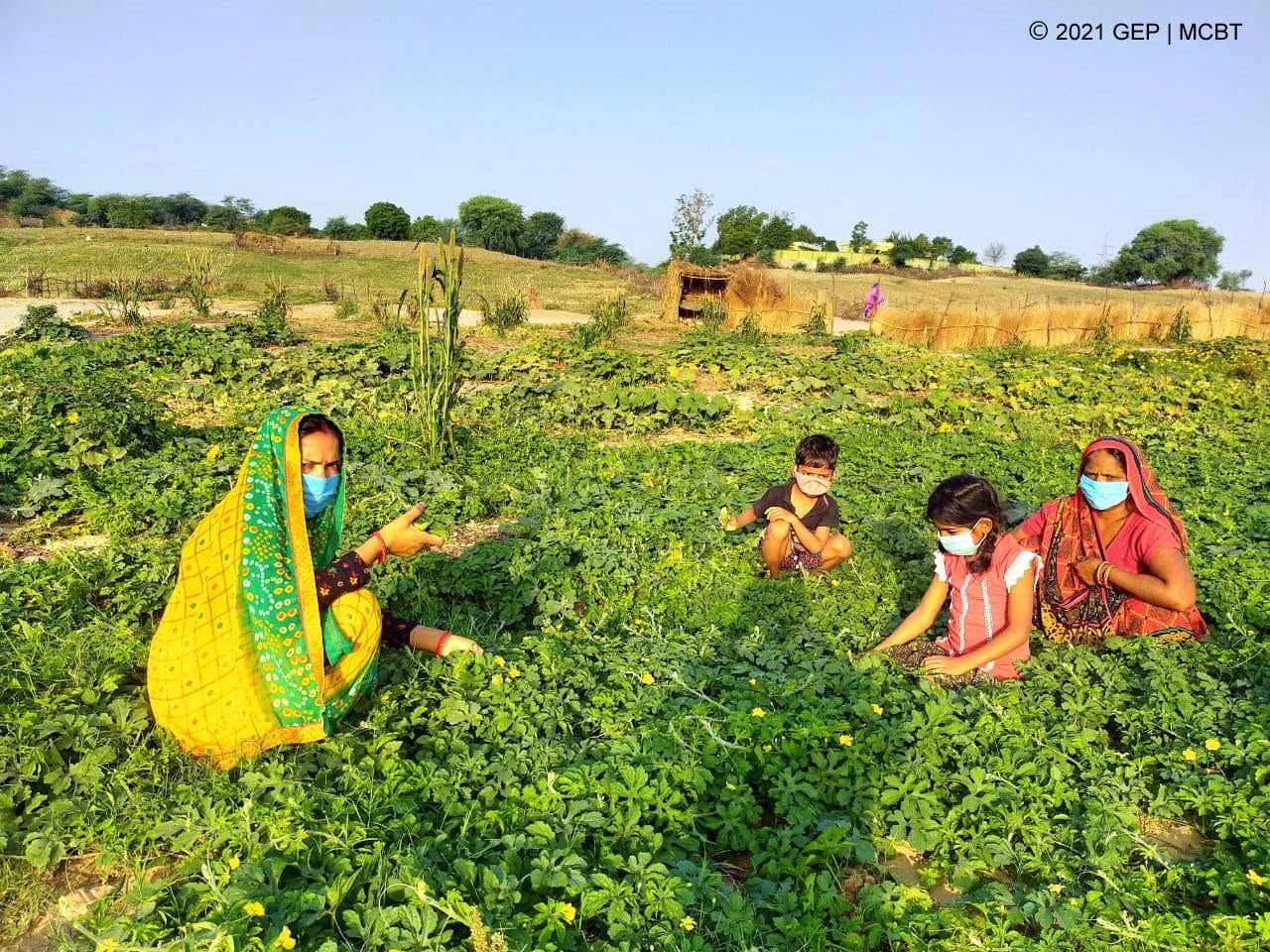
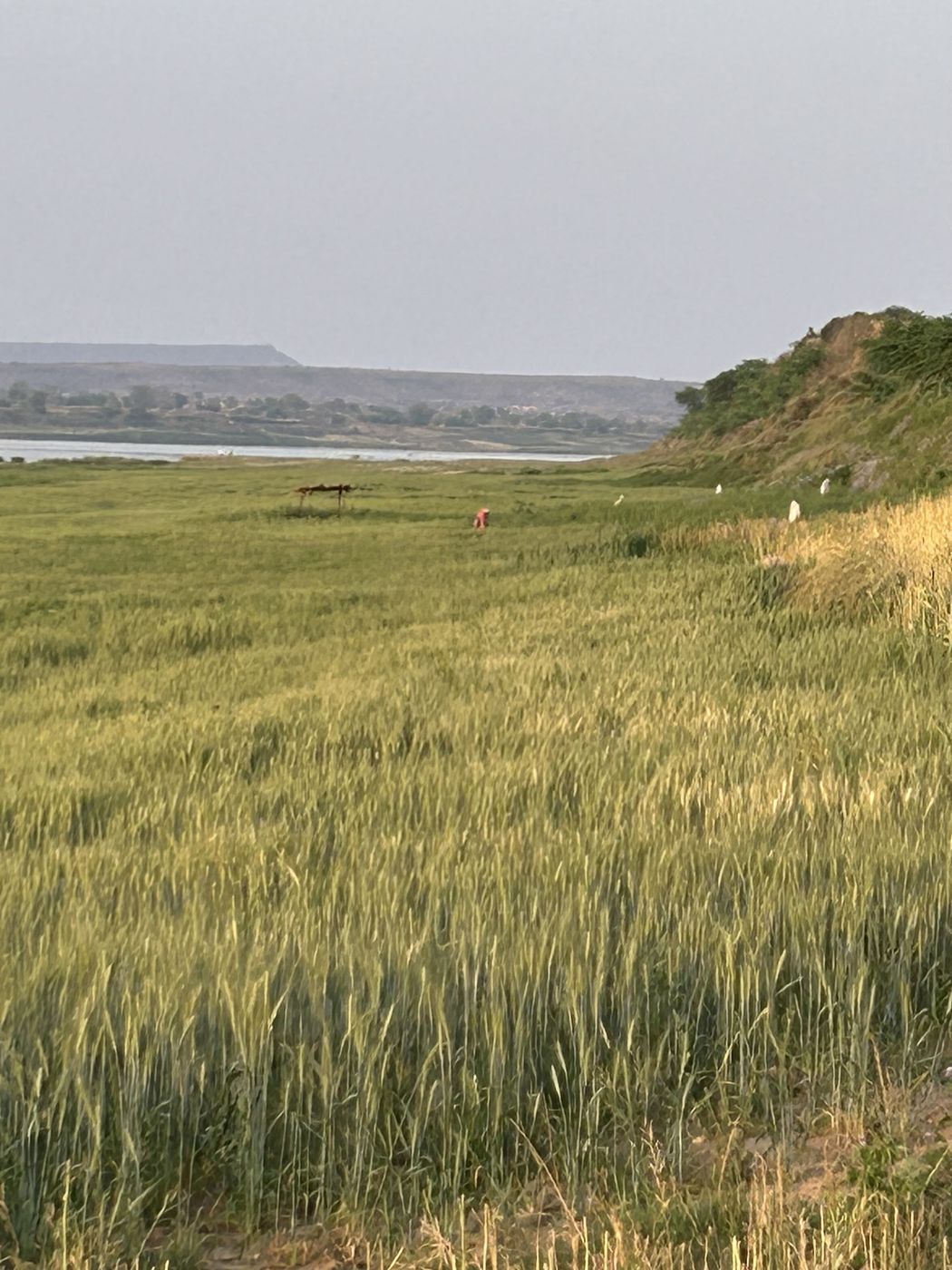
We need lasting solutions to address gaps between gharial conservation needs and community livelihoods. Our first step is a demonstration of regenerative farming techniques in the same ~14 km stretch of the upper Chambal as our River Watch initiative. On a leased ~1-acre plot we demonstrate, and build capacity for, sustainable farming techniques with local community members, most of whom practise farming.
What these actions seek to achieve
- Reduce input costs for farmers and enhance soil health
- Increase agricultural yield and consequent revenue for farmers
- Decrease incidence of sand mining and increase local support for gharial conservation
Translocations
Overview
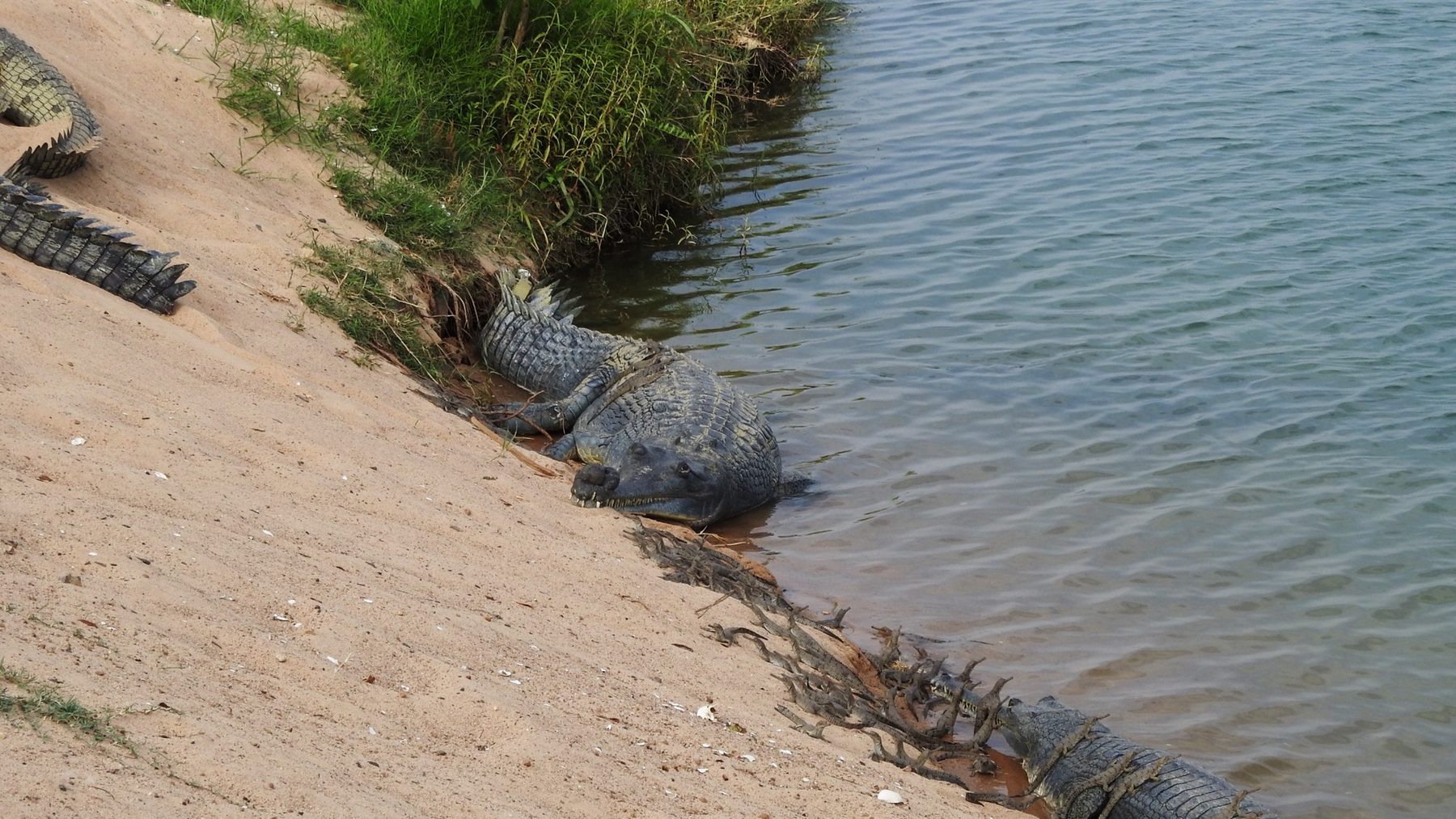
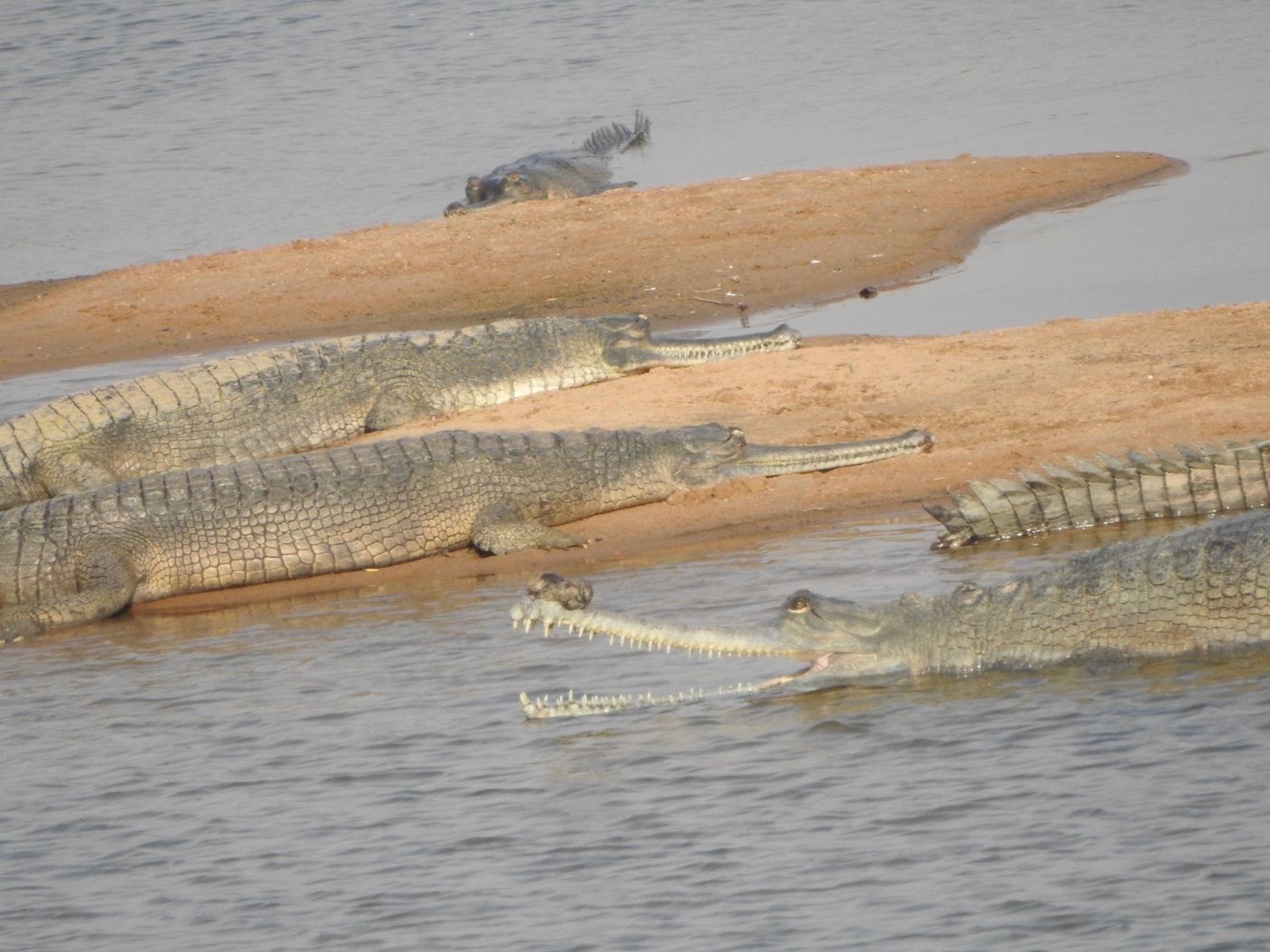
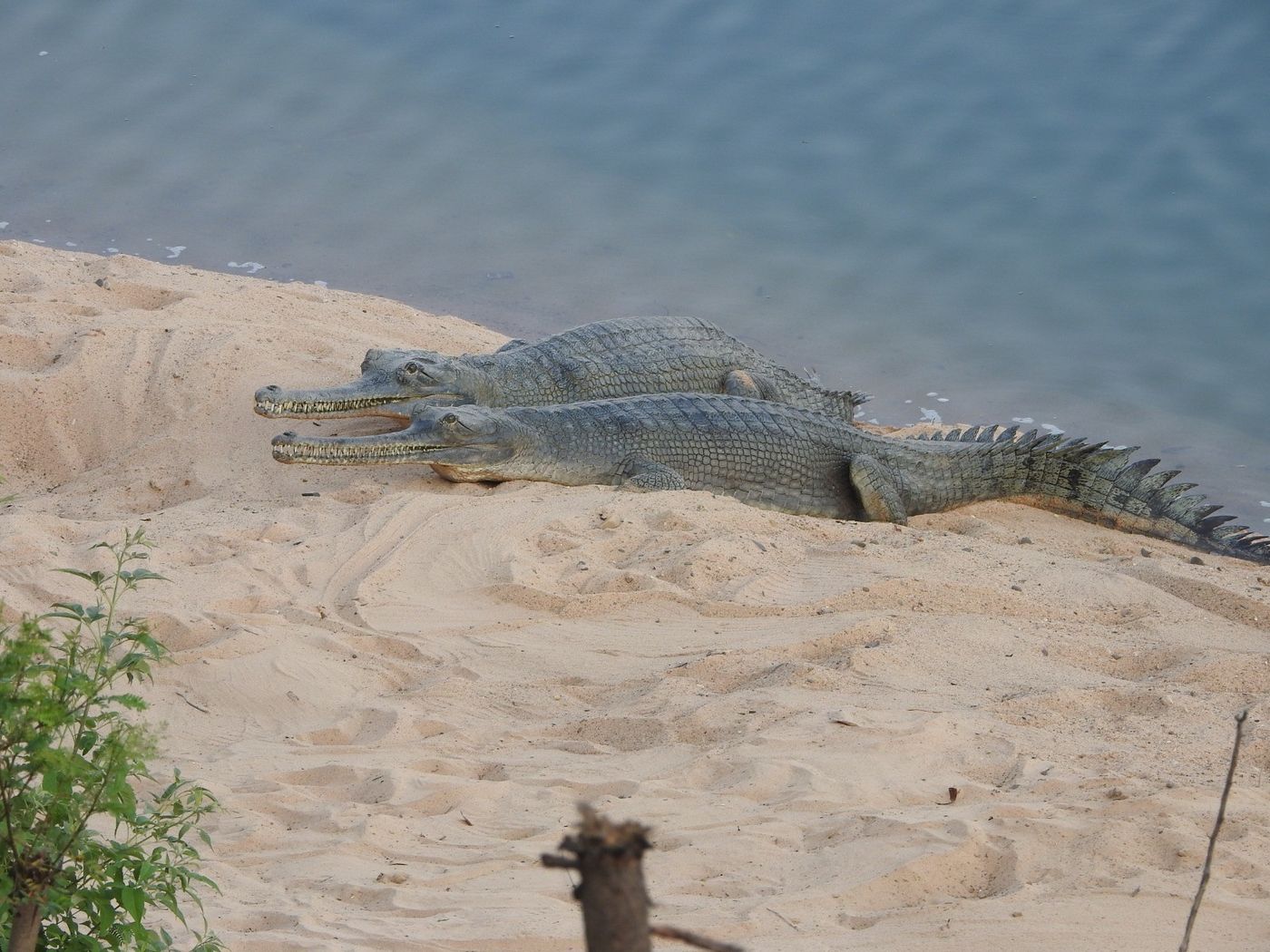
The Gharial Ecology Project also uses what we know about the Chambal’s gharials to benefit gharials elsewhere. In partnership with the Madhya Pradesh Forest Department, we translocated adult male gharials from the Chambal to the Son River in 2021, 2025 and 2026. Each time, our field team planned and carried out the transport of male gharials over 15 ft long across a 700 km route.
What these actions seek to achieve
- Re-initiate breeding among wild gharials in the Son River
- The latest translocation is a vital step towards improving the functionality of the Son population
- Restore gharial populations and the river systems that they occupy
Knowledge Sharing
Overview
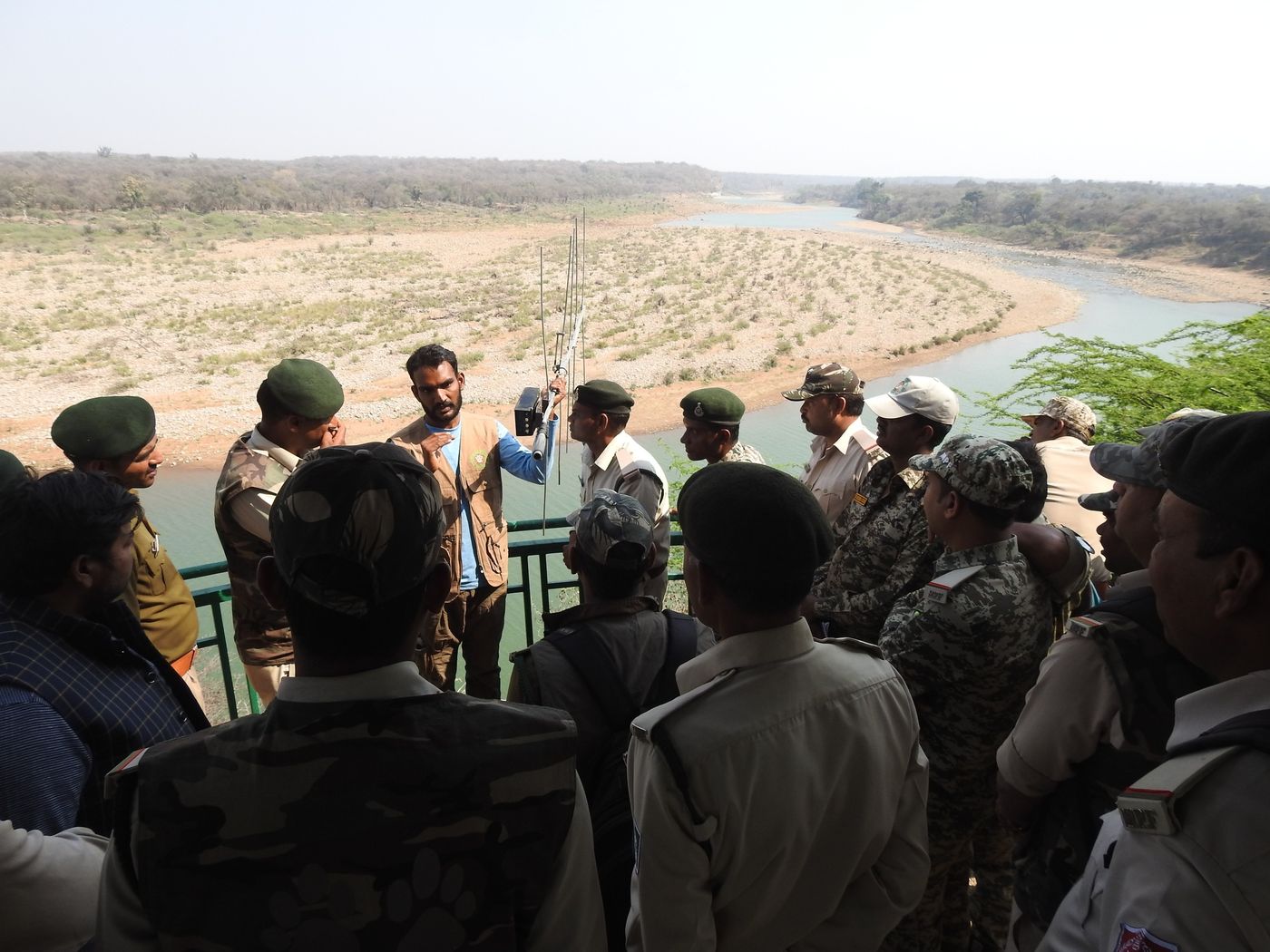
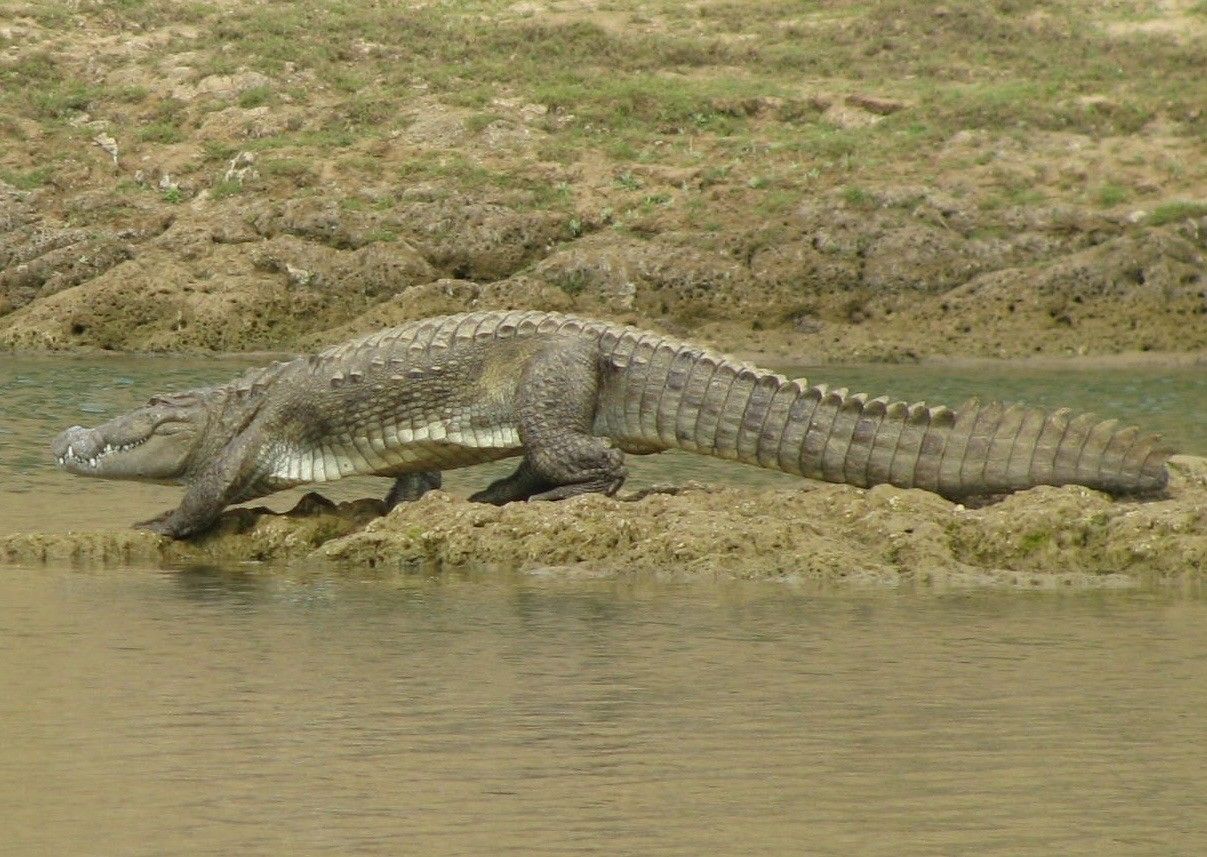
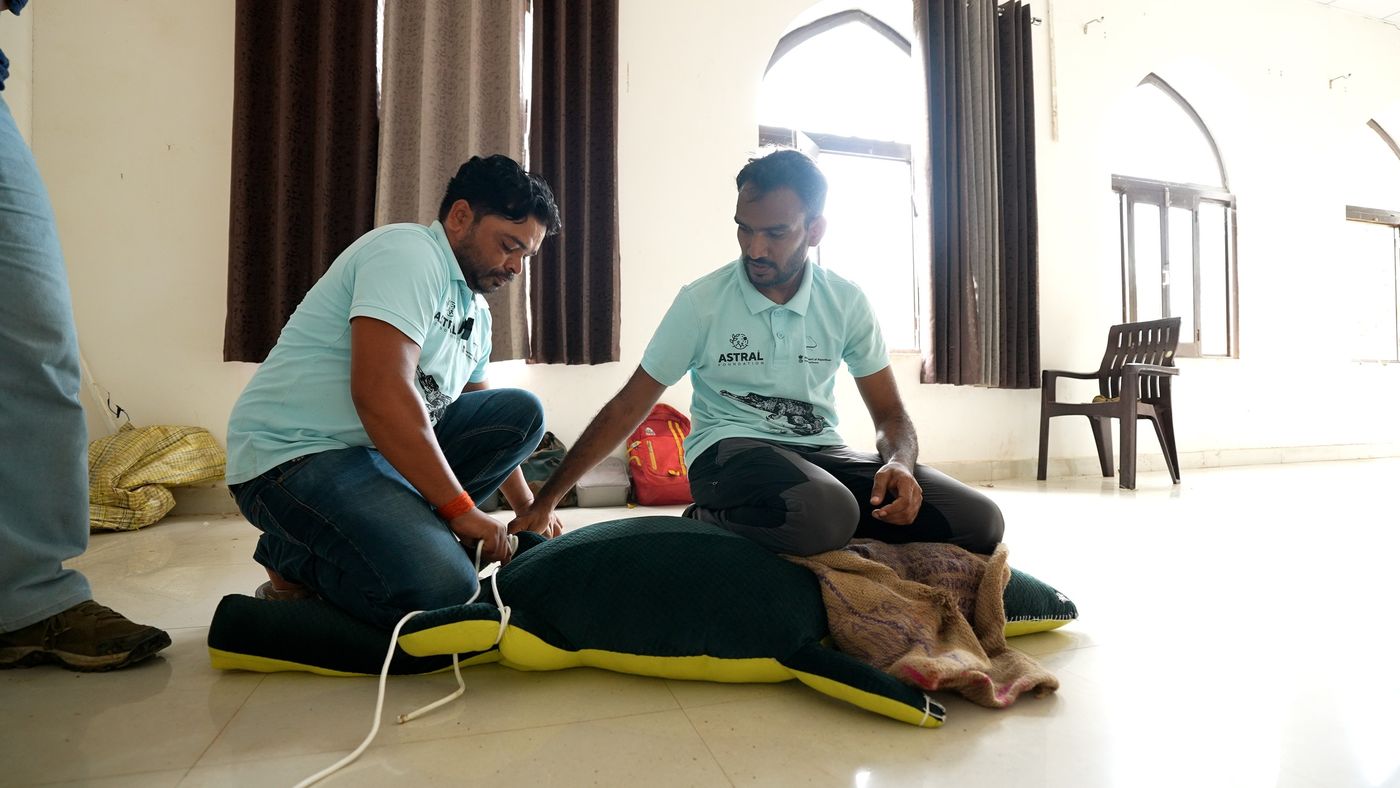
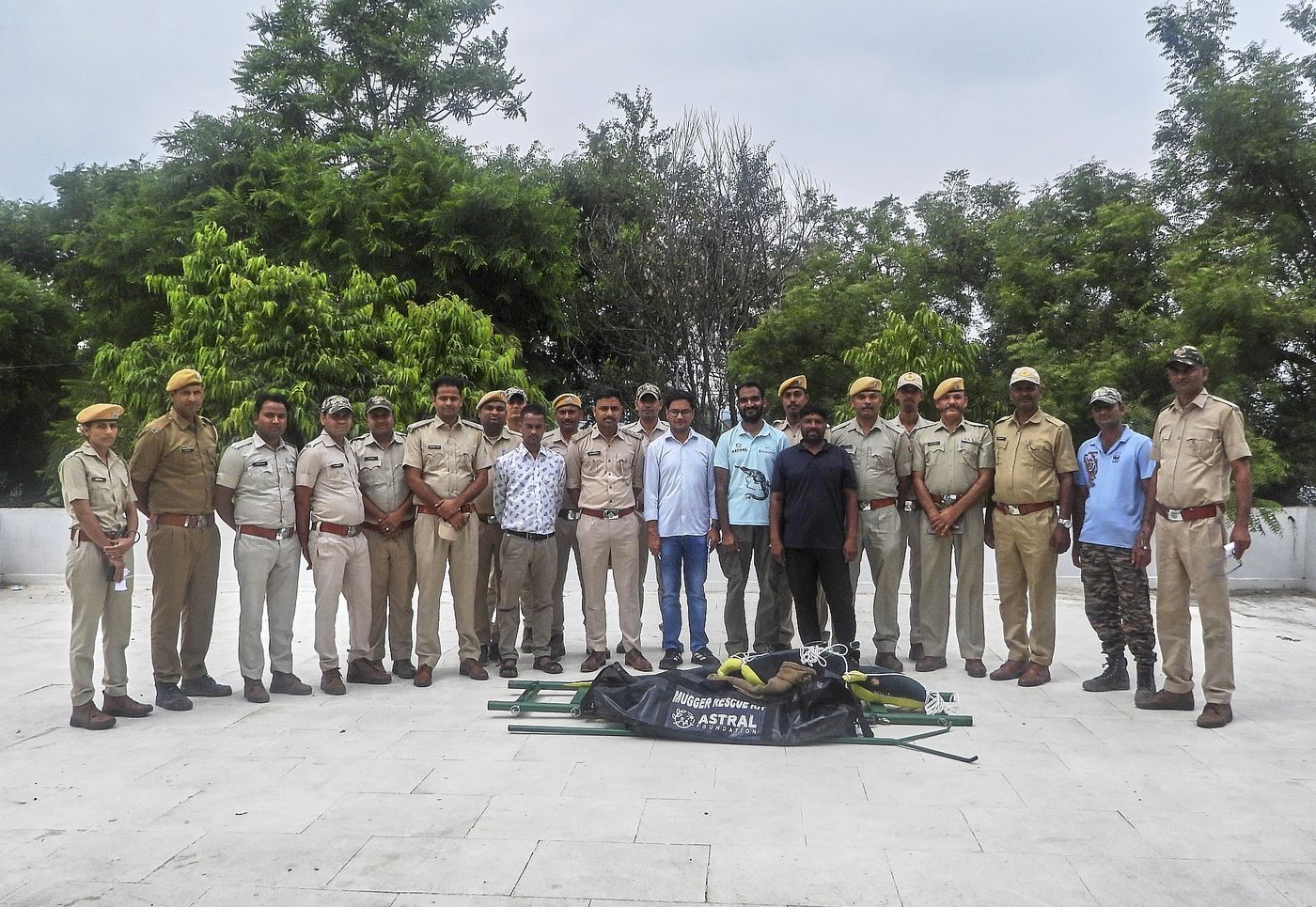
The Gharial Ecology Project uses ecological and behavioural information on gharials as an evidence base for effective conservation action and policy. We are privileged to work closely with State Forest Departments, and recommend best practices for gharial rearing and release programmes, crocodile translocations, and visual surveys for gharials.
What these actions seek to achieve
- Build capacity for population monitoring and mitigating human–wildlife conflict
- Promote evidence-based approaches in prioritising conservation actions
- Advocate for effective gharial conservation actions and policy
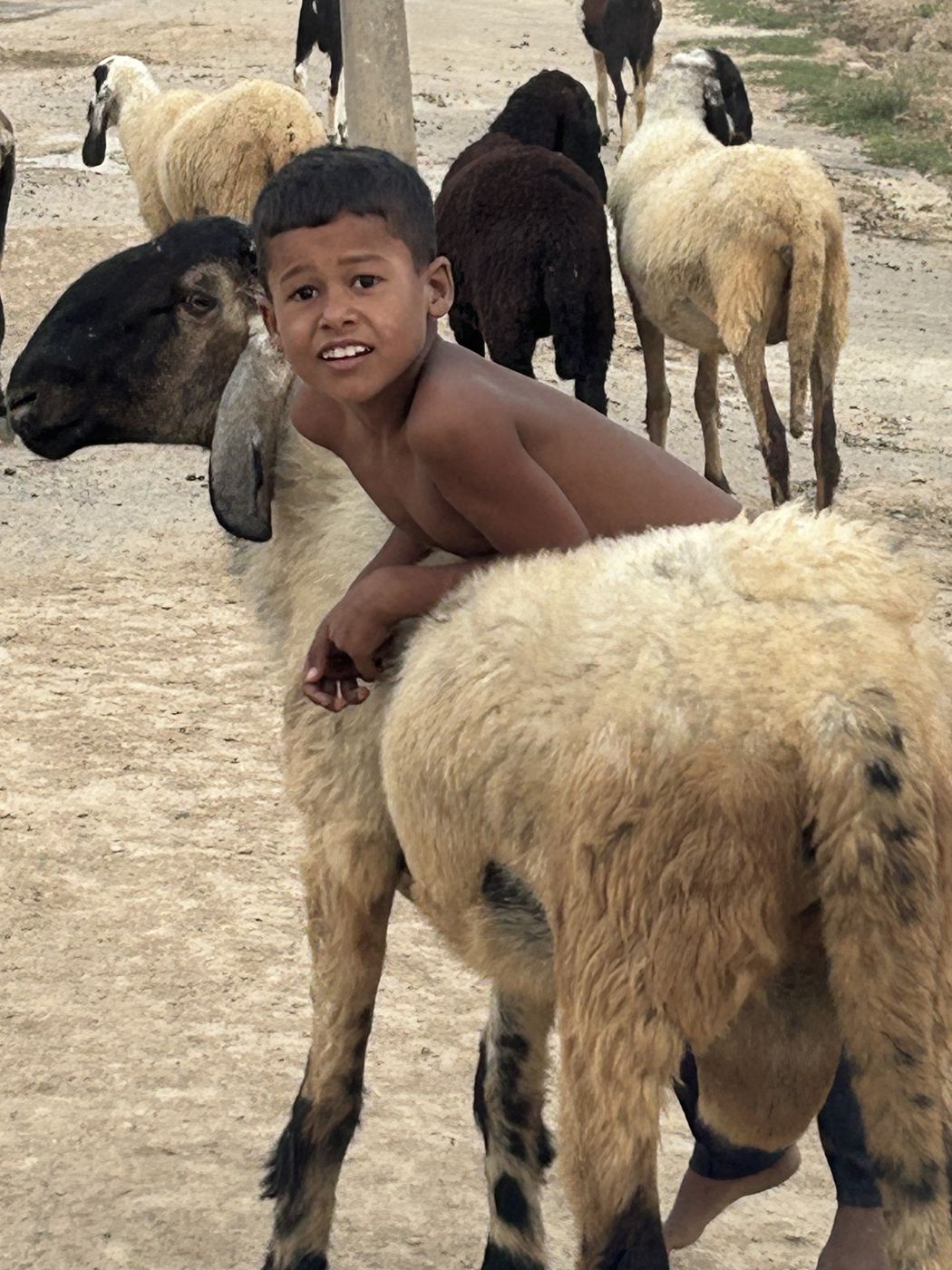
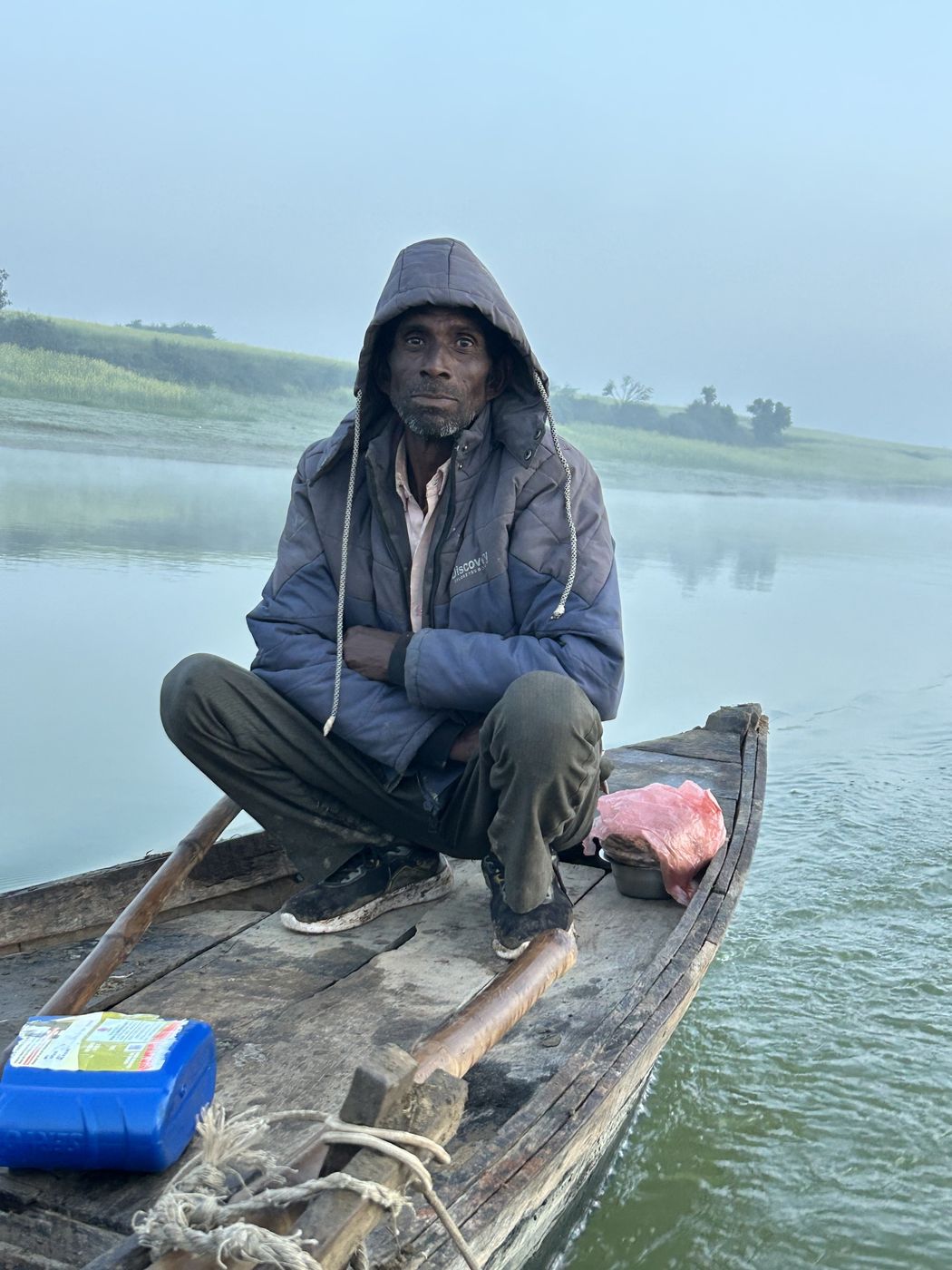
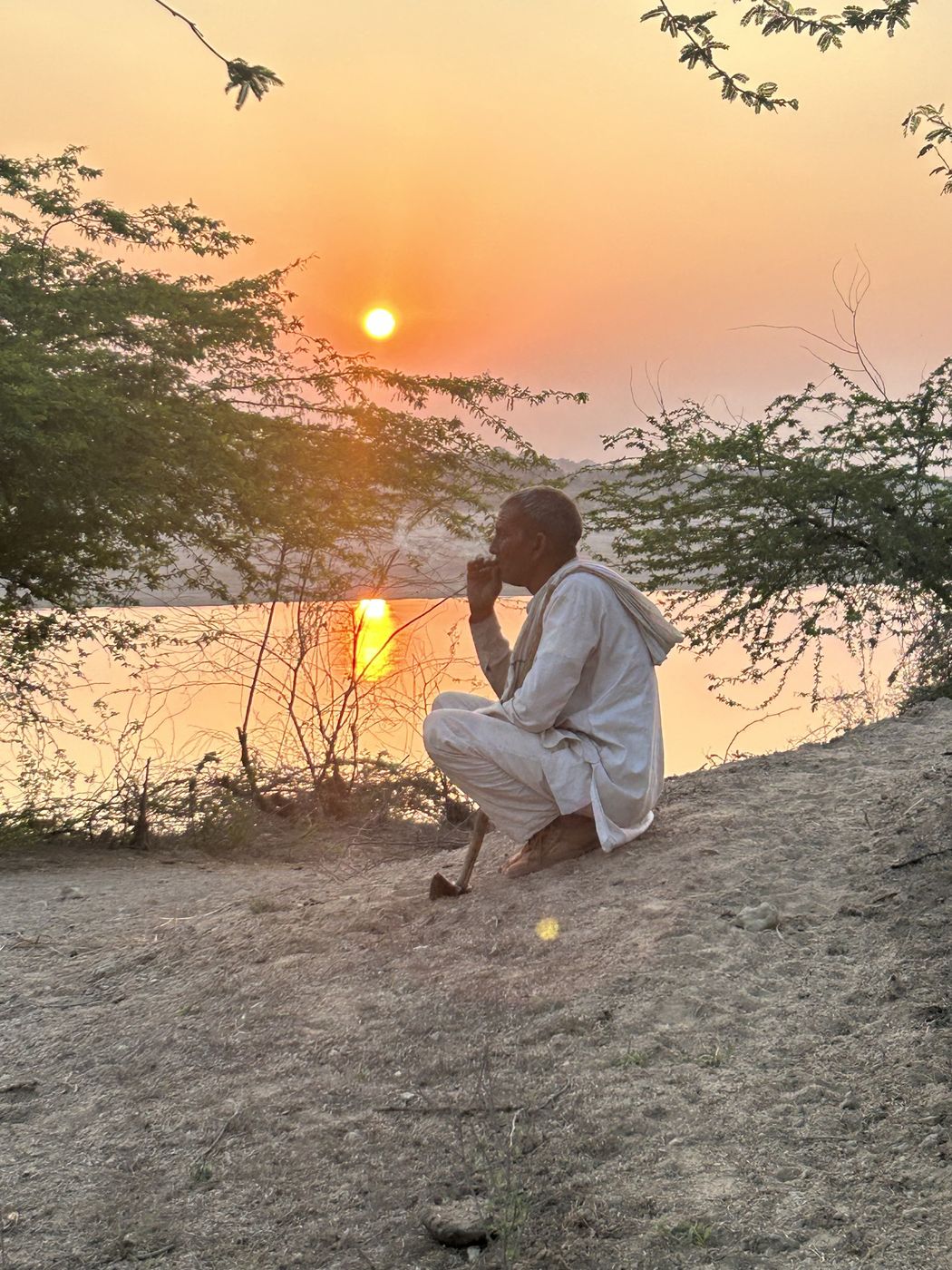
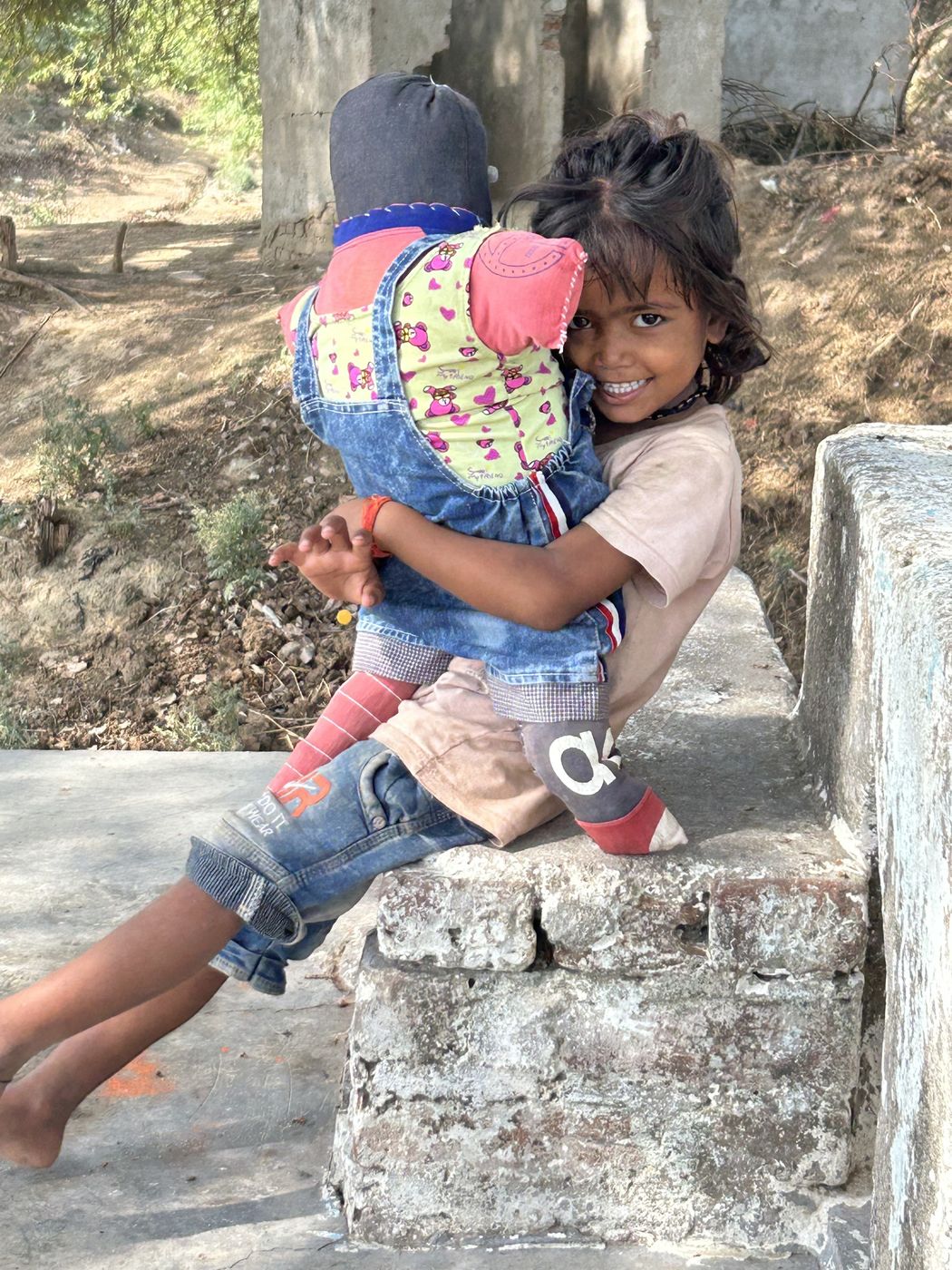
Conservation on the Chambal only works with the people who live along it — farmers, fishers, herders and the children who will inherit the river.